

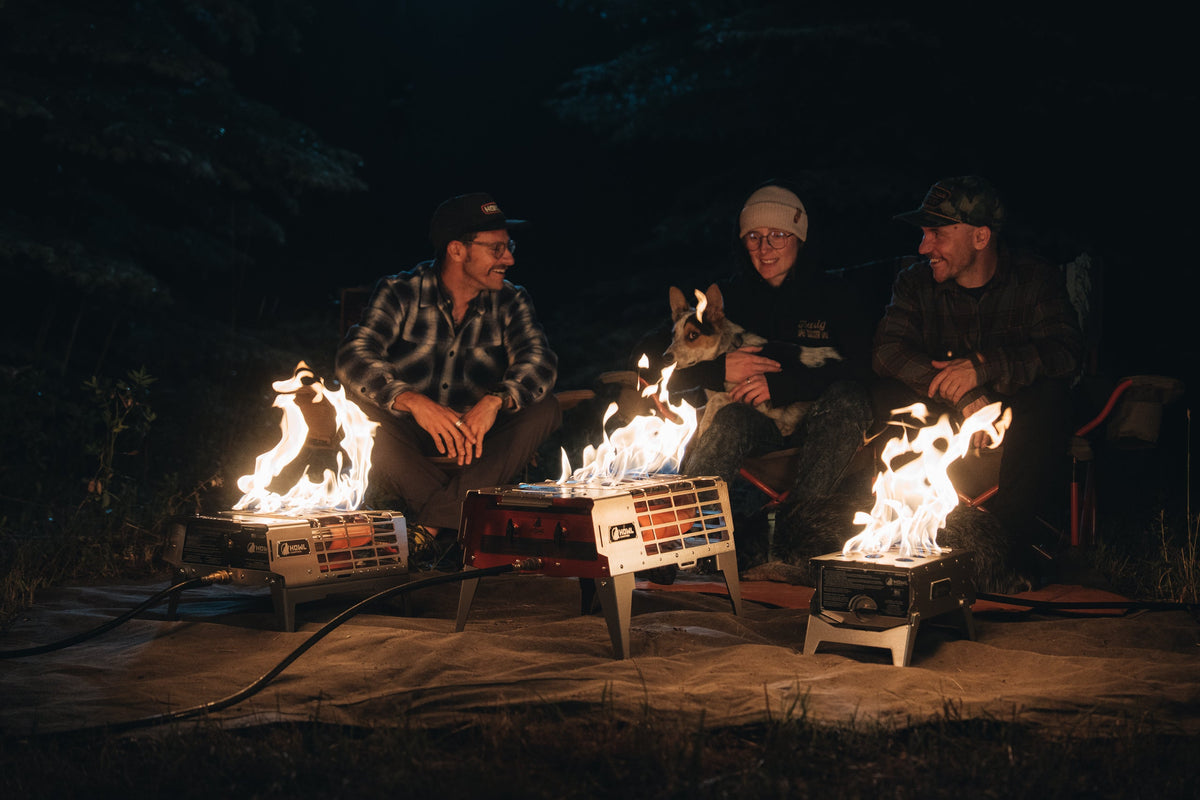
HOWL R1 vs R3 vs R4 Choosing the Right Campfire for Your Weather
Where you camp—and how cold it gets—helps determine which HOWL you need. Compare the R1, R3, and R4, learn what A-Flame and BarCoal each bring to the table, and find the right balance of packabilit...
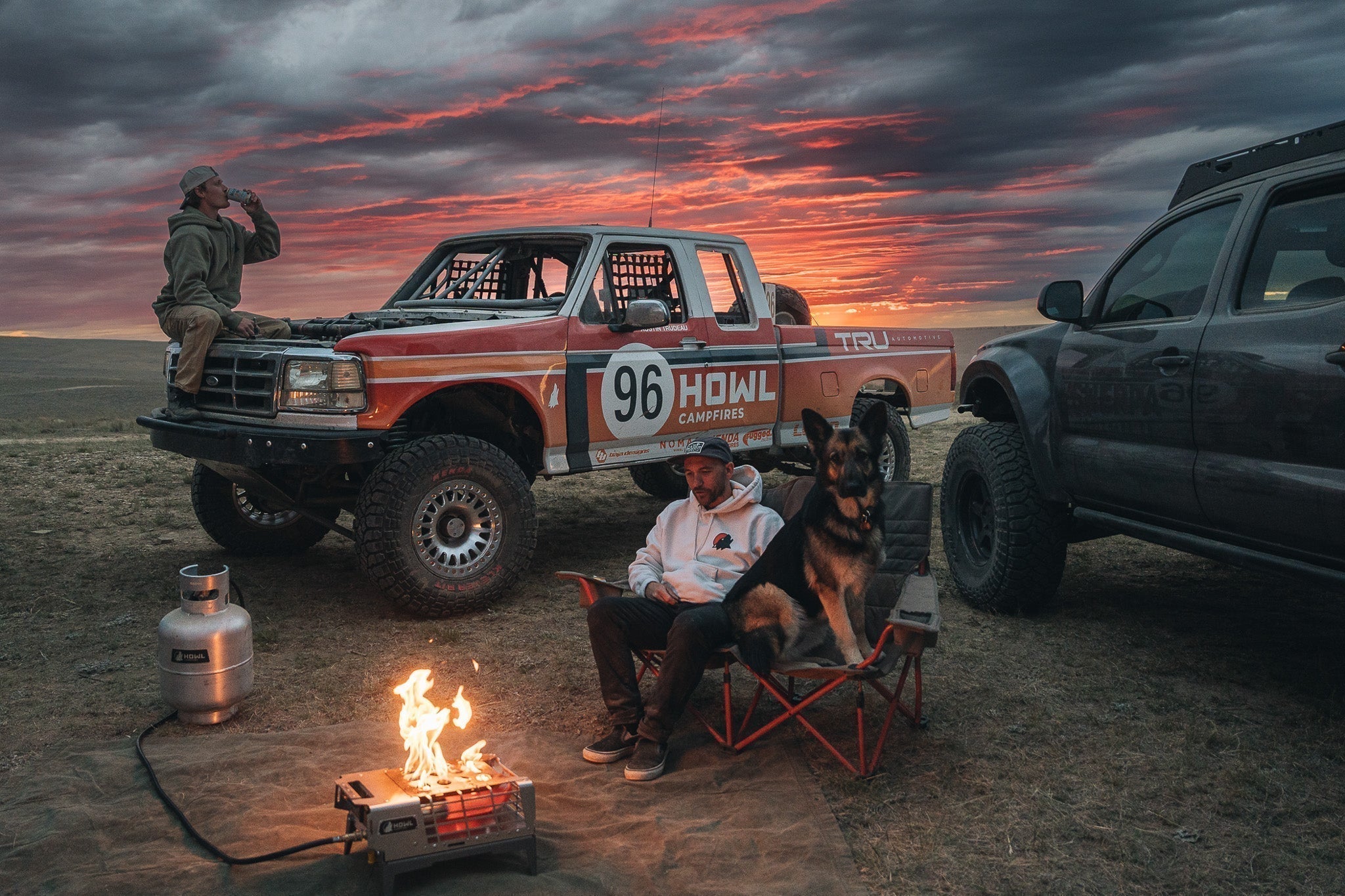
Fire pit brands advertise BTUs like horsepower, but the number is closer to gallons per hour. It tells you how quickly a fire consumes propane—not how much useful warmth reaches the people around it.
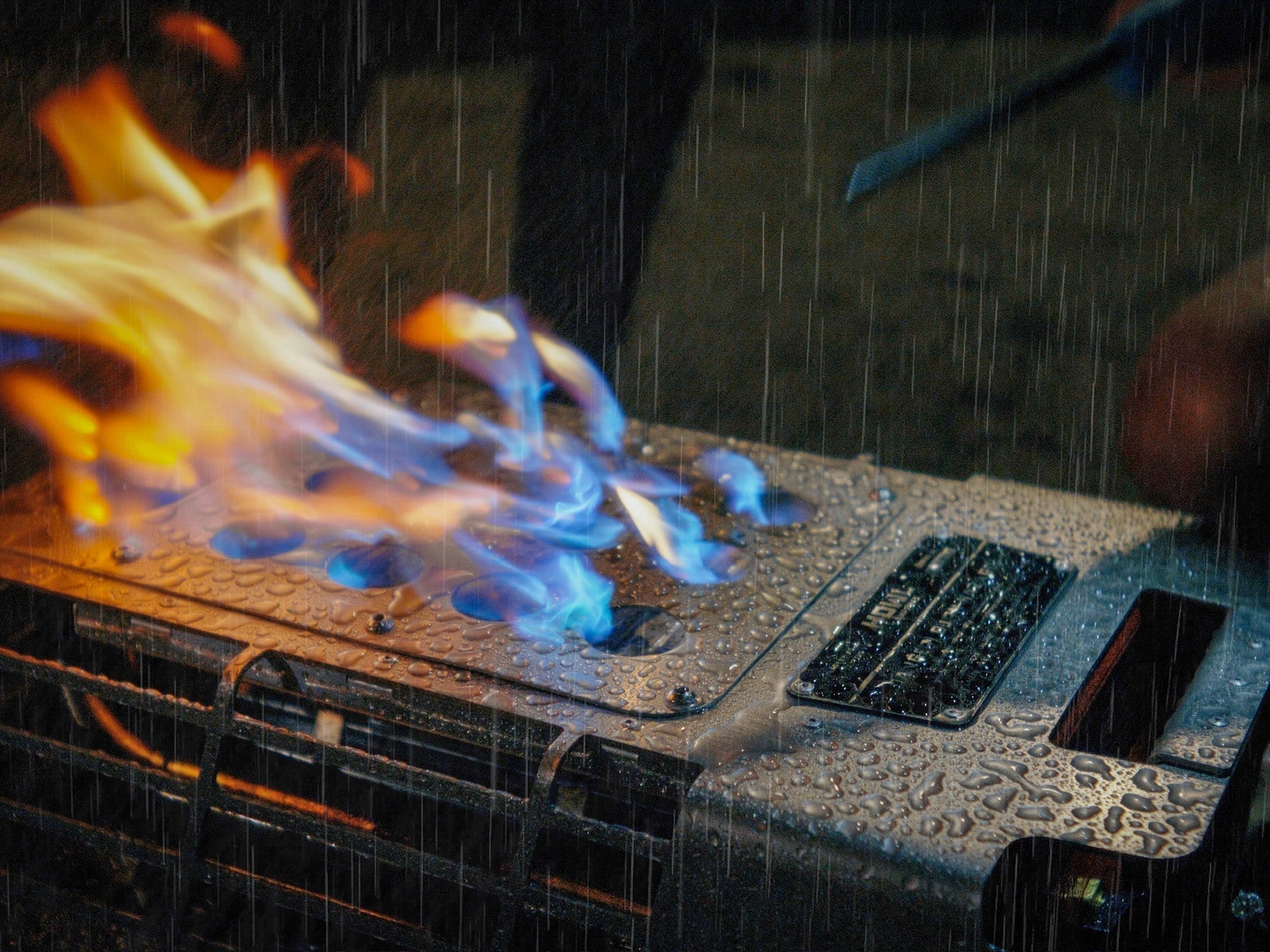
Rain Usually Wins. HOWL Drains It.
Rain usually ruins the fire. HOWL is designed around that. The A-Flame sheds water quickly, while BarCoal drain ports shed rain and snow so the fire can keep delivering light and radiant heat in th...
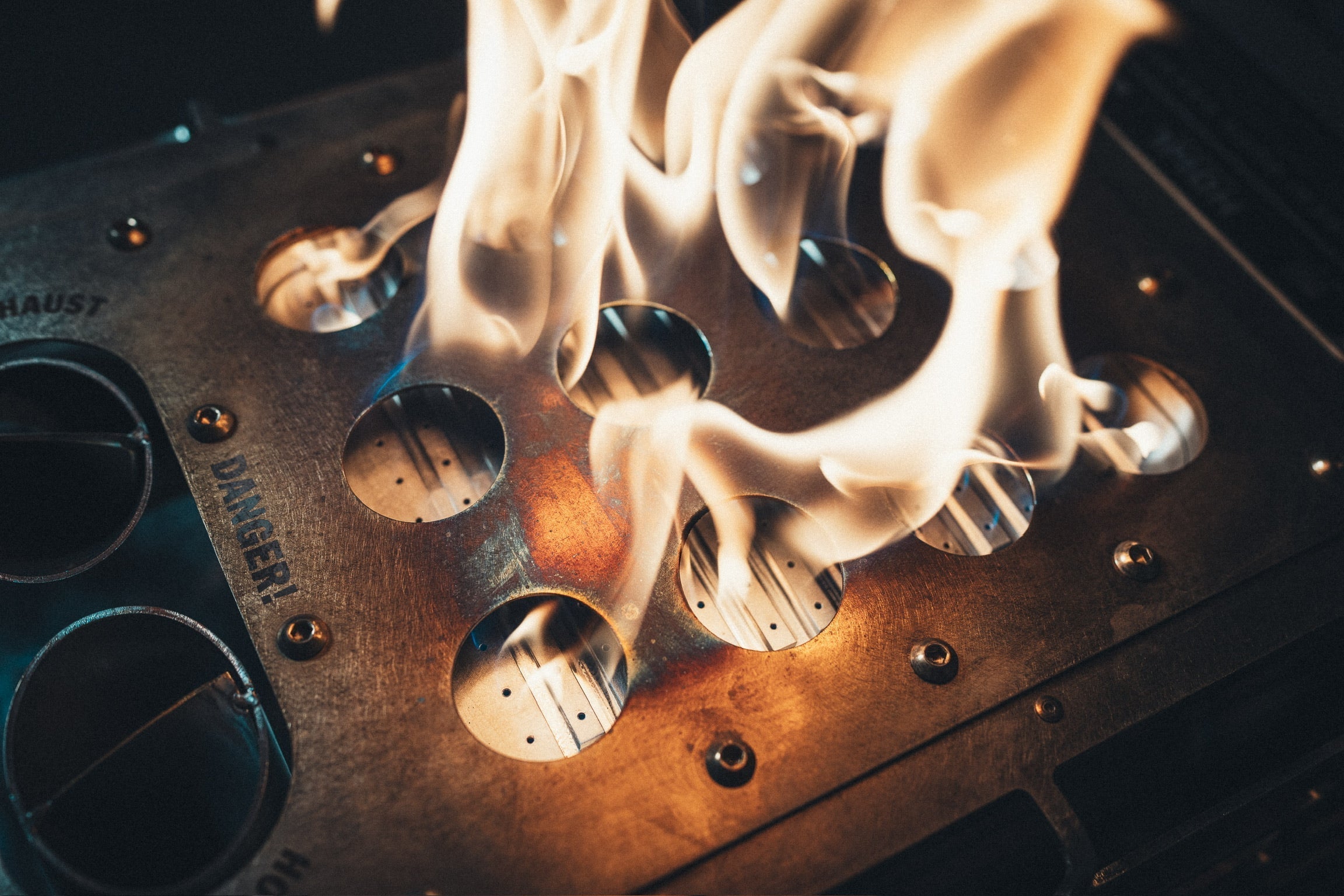
Why HOWL Uses 160 Tiny Emitters to Build One Big Flame
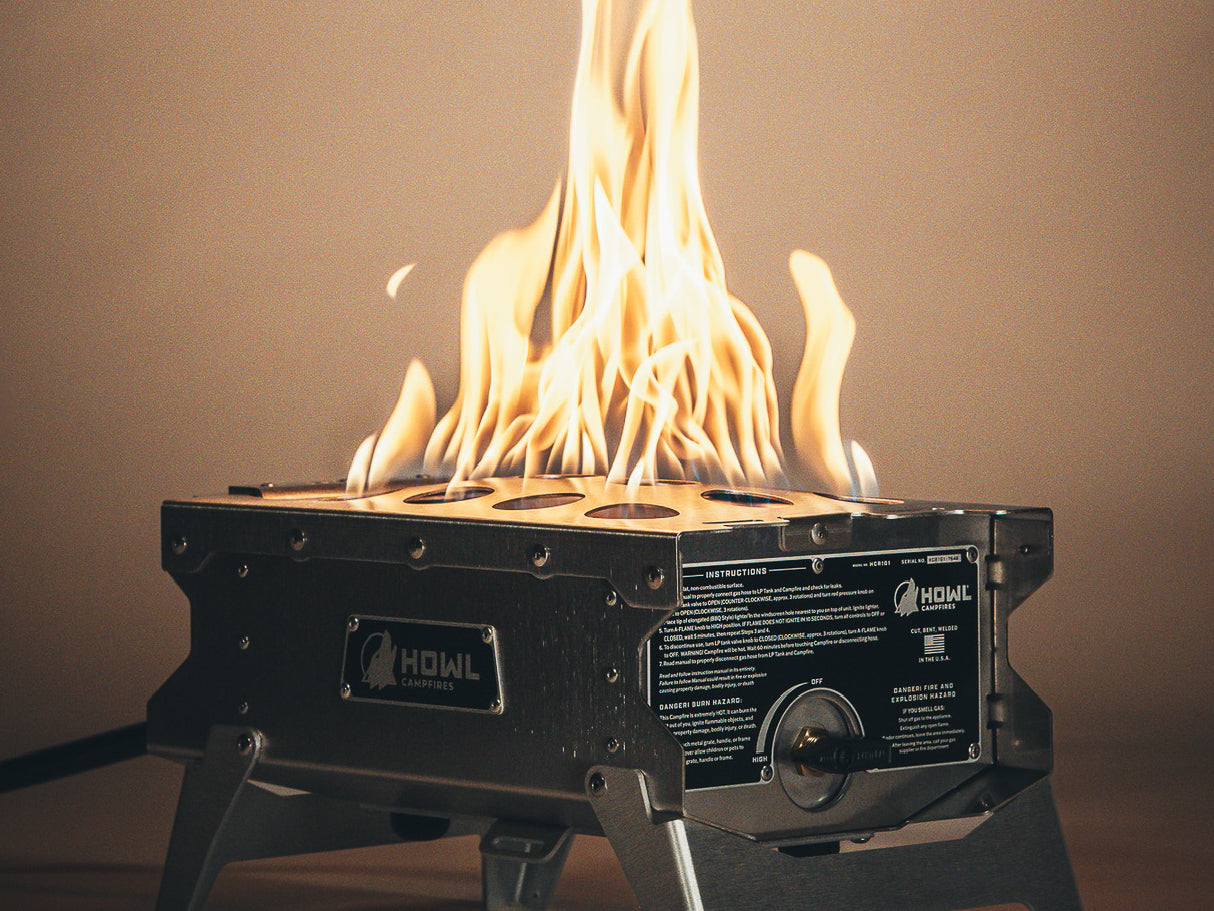
Most propane fire pits use a few large burner holes and hide the flame inside a bowl. HOWL’s A-Flame Burner uses 160 precision-machined micro-emitters to build one taller, brighter, more campfire-l...
Why Most Fire Pits Hide the Flame
Most propane fire pits solve the wind problem by enclosing the flame with walls. HOWL took a different approach. The FlexDome Windscreen protects the A-Flame with laminar separation, keeping the fl...