
Walk through a campground, and you'll notice something about most propane fire pits.
The flame sits inside a bowl.
That's not an accident. For years, the standard engineering solution has been simple: if you want a propane flame to survive the wind, build walls around it. The taller the walls, the better the protection.
The problem is those same walls hide the fire.
Congratulations. You protected the flame from the wind and the people from the flame.
You lose the movement, the firelight, and the feeling of sitting around an actual campfire. Instead, you're looking down into a metal bowl.
We didn't think that was a very good trade.
A Different Engineering Problem
Instead of asking, "How do we build better walls?"
We asked, "How do we protect the flame without hiding it?"
That question led us to the FlexDome Windscreen.
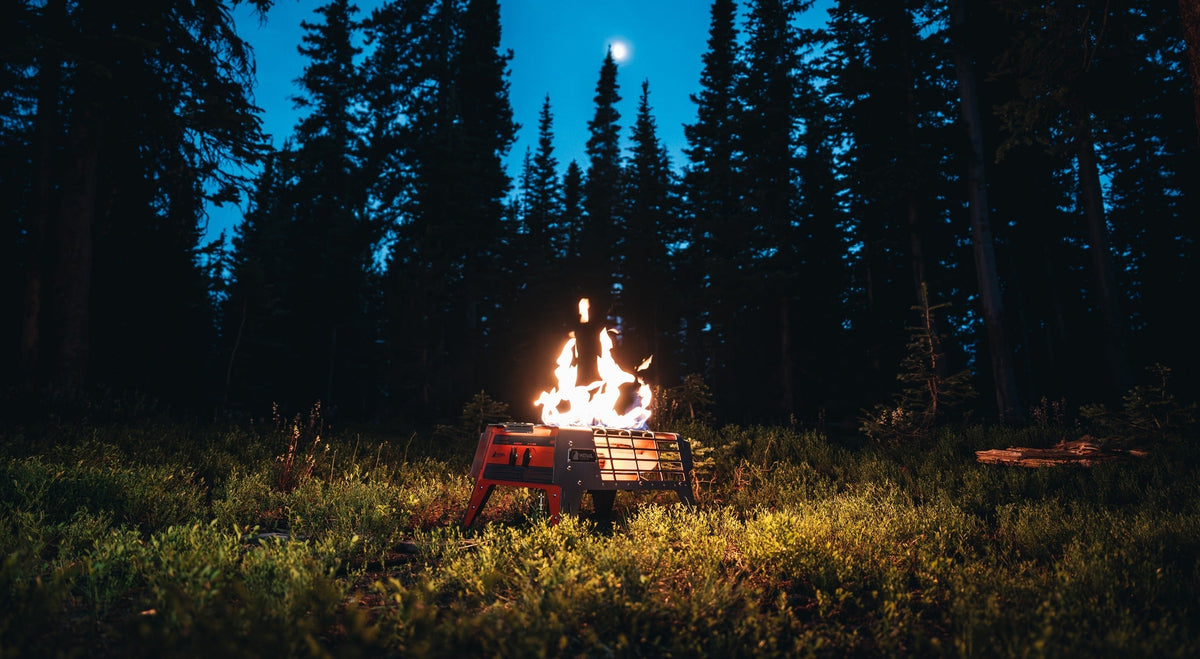
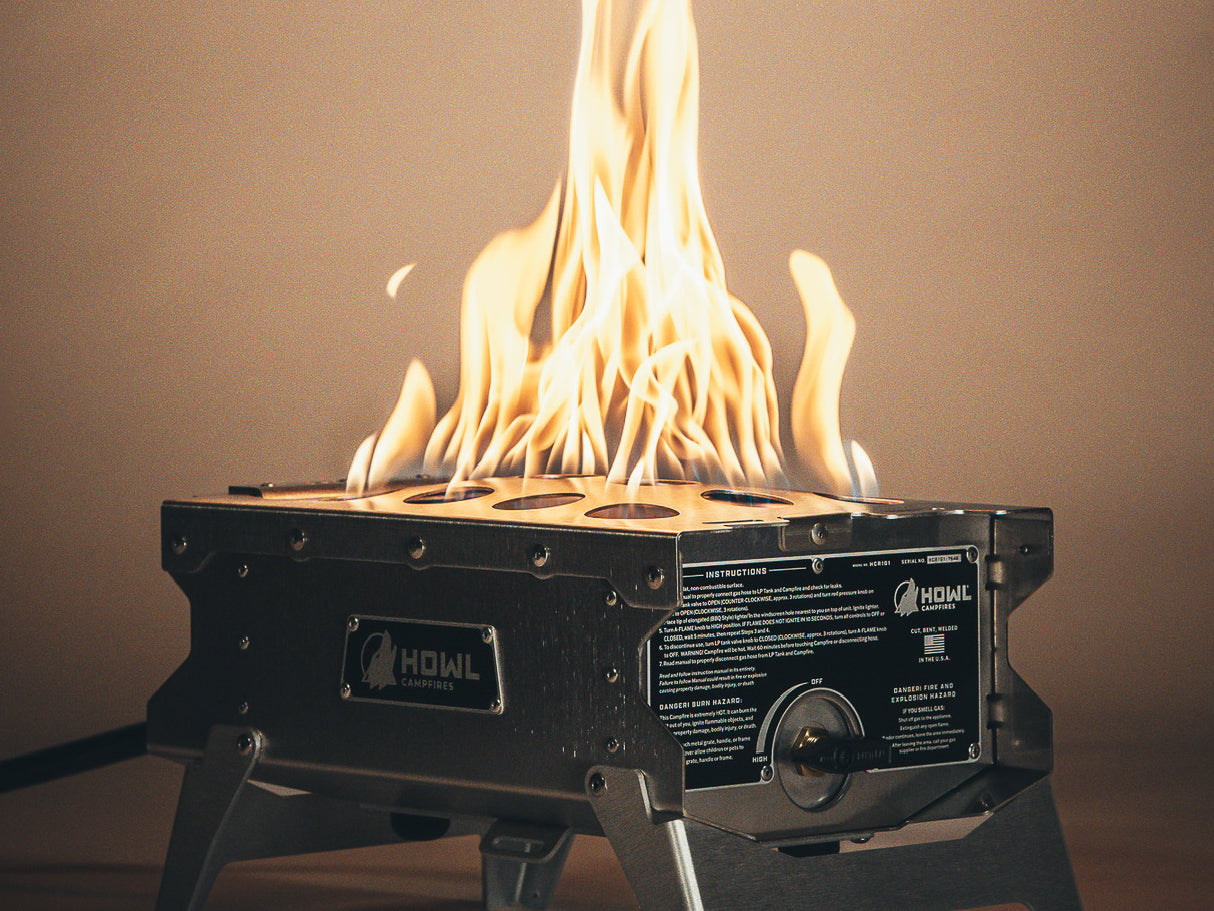
Rather than surrounding the fire with vertical walls, the FlexDome is a horizontal windscreen that protects the base of the flame while leaving nearly all of it exposed.
The goal wasn't simply to make the fire harder to blow out.
It was to keep it looking and feeling like a campfire.
The Science Is Called Laminar Separation

The FlexDome works because of a principle called laminar separation.
As wind flows across the top of the dome, it separates and continues over the fire. Beneath the windscreen, a calmer pocket of air forms around the base of the A-Flame.
That's where the flame lives.
Instead of fighting the wind with taller walls, the FlexDome changes how air moves around the burner. The result is a flame that stays remarkably stable in strong wind while remaining almost completely visible from every chair around the fire.
Why It's Called FlexDome
The "Flex" isn't marketing.
As the stainless steel heats up, it naturally flexes upward. That creates a larger protected air pocket beneath the dome, allowing the flame to grow taller without simply dumping more propane into the burner.
As it cools, it settles back into its original shape.
No hinges. No springs. No moving parts.
Just stainless steel doing what stainless steel naturally does.
More Firelight With Less Fuel
A lot of propane fire pits make their flames look bigger by using more fuel.
That's one way to do it.
Not a very interesting one.
The FlexDome helps HOWL create taller, more exposed flames by giving the A-Flame a better place to live. The protected air pocket keeps the base of the flame stable, while the heated dome shape gives the flame room to rise.
That means more visible firelight without hiding the burner in a bowl or burning fuel just to make the flame look alive.
More firelight. Less waste. Still a campfire.
What Happens In Real Wind
One of the most interesting things we discovered during testing was how the A-Flame behaves in strong gusts.
Instead of getting flattened or blown sideways like a candle, the flame settles into the protected pocket beneath the FlexDome. As the gust passes, it stands back up again.
It behaves surprisingly like a wood fire protected by a log.
That's exactly what we were after: a flame that can stay lit in real wind without disappearing behind metal walls.
Built Into Every HOWL
Every HOWL Campfire uses the same FlexDome philosophy.
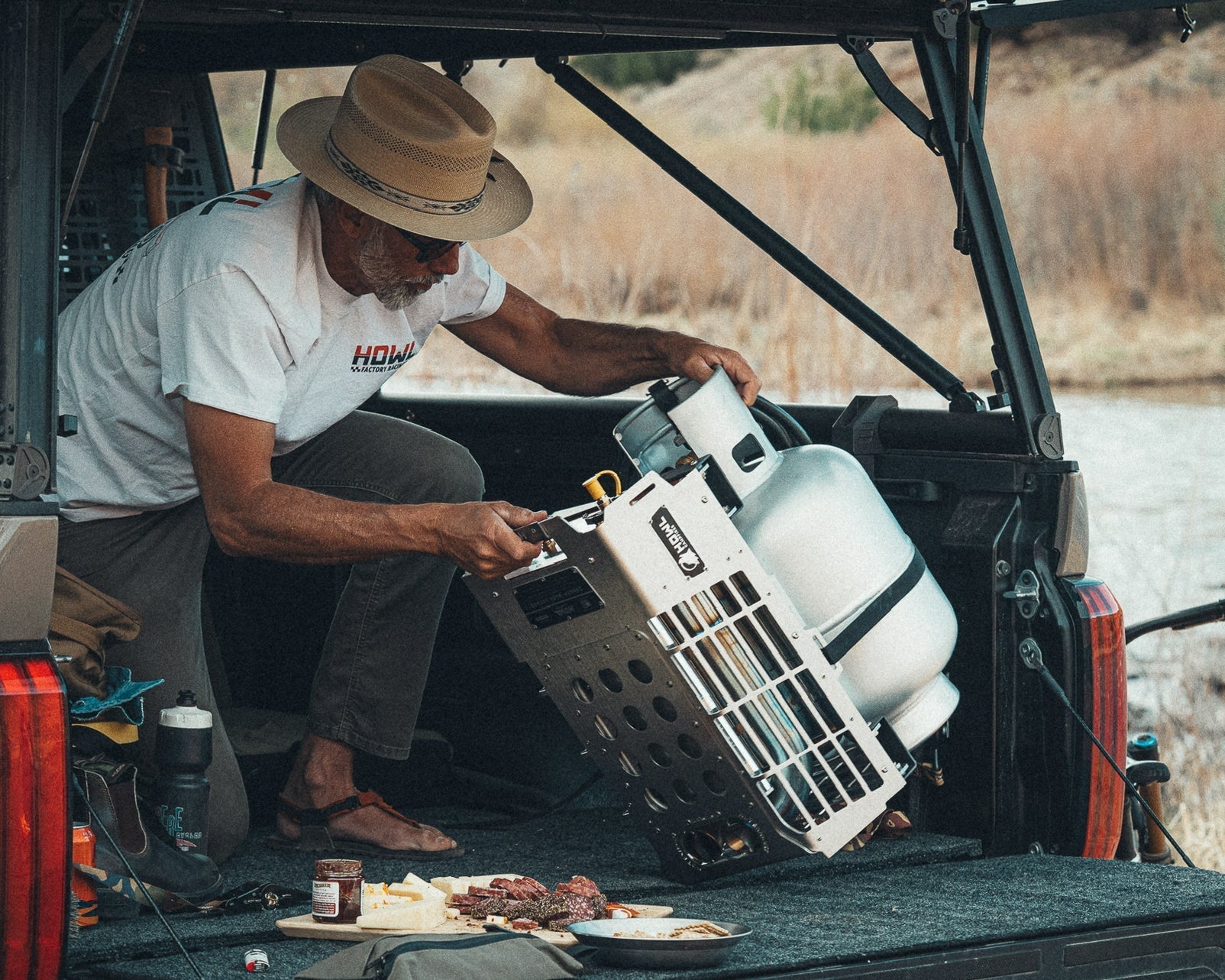
The R1 uses the FlexDome with the A-Flame Burner to create a compact, portable campfire with exposed flames and strong wind resistance.
The R4 MKii uses the same approach alongside HOWL's patented BarCoal radiant heat system, pairing visible flame with the radiant warmth of glowing metal.
Different products.
Same engineering philosophy.
Protect the flame. Don't hide it.
Better Engineering Starts With a Better Question

Same problem. Different answer. One approach is to hide the flame to protect it. HOWL protects the flame so you can still see it.
The obvious solution was to build taller walls around the fire.
We chose to better understand the wind instead.
The FlexDome exists because we believed a propane campfire shouldn't force you to choose between wind protection, visible flame, and efficient fuel use.
We still don't.