
What the Pressbrake Frame Does
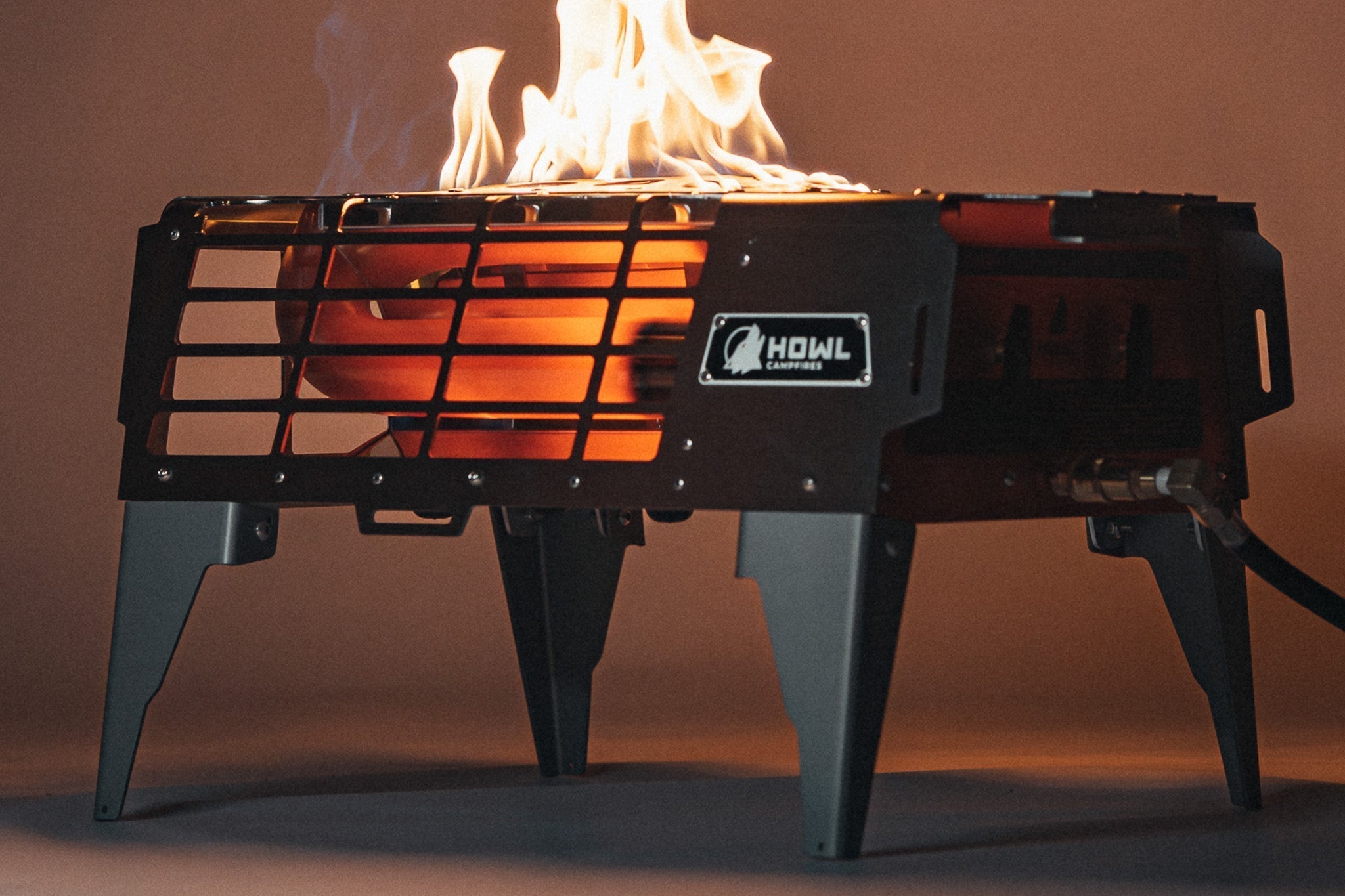
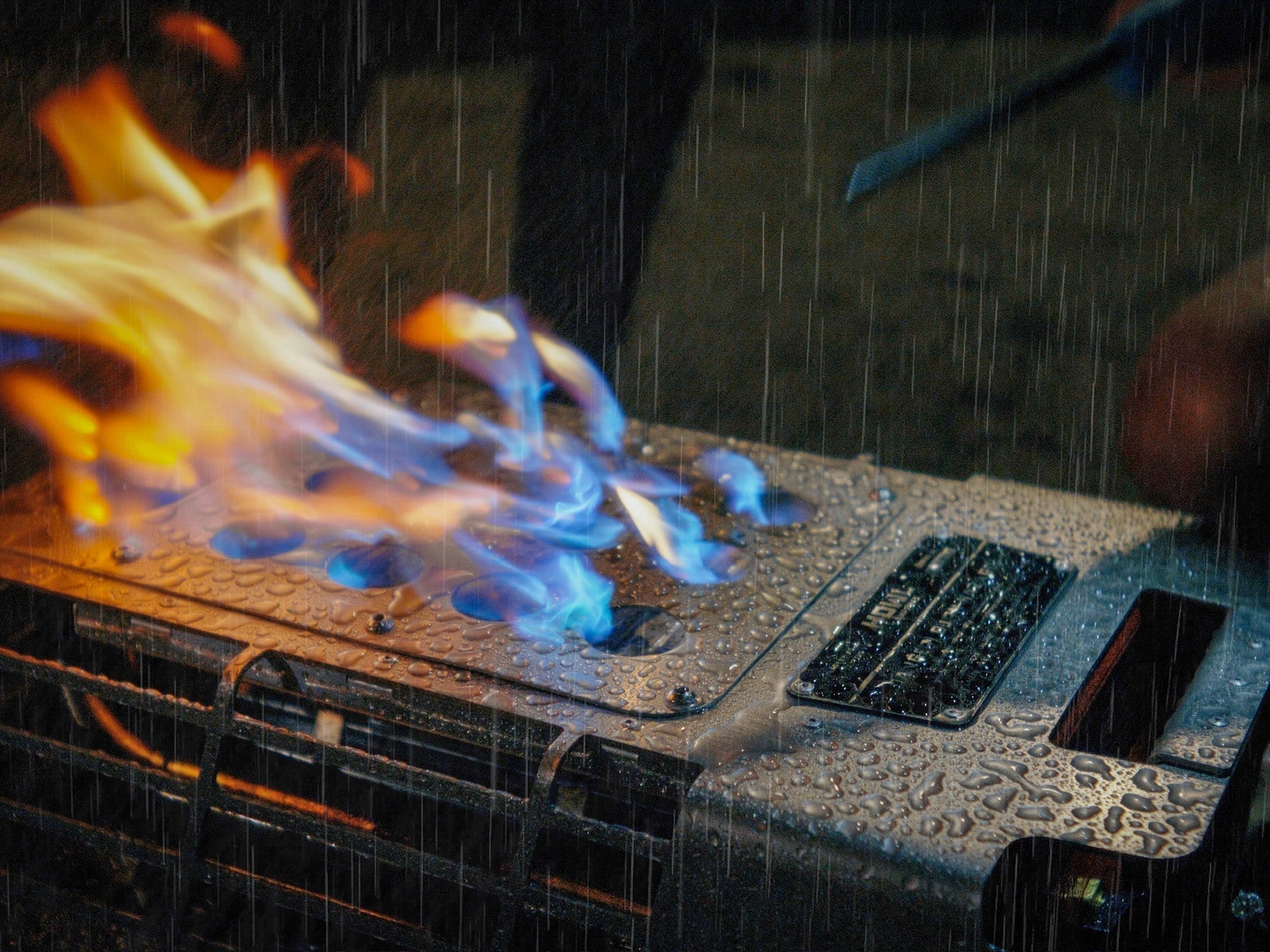
The Pressbrake Frame is the exoskeleton of a HOWL Campfire.
That word matters. It is not a decorative shell. It is not a styling exercise. It is the structure that protects the fire through everything that happens before anyone turns the knob.
The main frame starts as a stainless steel plate. We cut it to shape with a fiber laser, then form it with a hydraulic press brake. The bends create edges, corners, flanges, and surfaces that make the frame far more rigid than a flat sheet of steel could ever be on its own.
It is not there to look tough.
It is there to be tough.
Why We Start With Stainless Plate

We start with stainless steel plate because we want control over the whole structure.
We are not cobbling together a pile of tubes, brackets, panels, and fasteners and hoping they all agree to become a campfire. We cut the frame from plate, form strength into the shape, and build the fire around that exoskeleton.
That gives HOWL the kind of structure most propane fire pits do not even pretend to have.
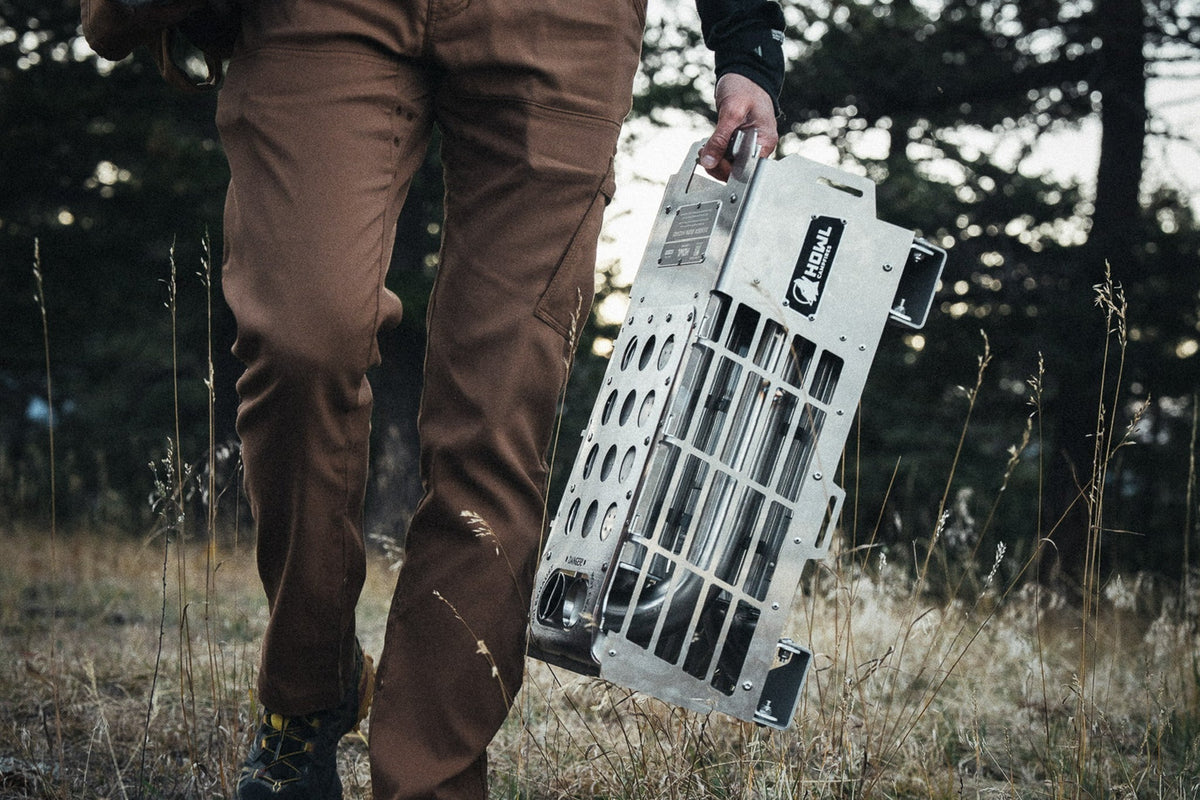
You can feel it when you pick one up. You understand it the first time the fire pit gets shoved under other gear, strapped down next to a propane tank, bounced down a dirt road, and comes out ready to light like nothing happened.
A normal propane fire pit is an appliance.
A HOWL is camp gear.
The Shape Carries the Load
Anybody can make something heavier. That is not engineering. That is surrender.
The harder thing is putting strength where it belongs. The Pressbrake Frame lets us turn stainless steel plate into a rigid, single-piece exoskeleton instead of building a frame from a pile of separate rails, brackets, and panels.
That matters.
A frame built from a bunch of pieces depends on every joint, fastener, weld, and connection doing its job. The Pressbrake Frame starts as one cut piece of stainless steel, then gets formed into shape so the structure itself carries the load.
The bends are the trick. A flat sheet wants to flex. A formed frame resists it. Once you bend stainless into the right geometry, the shape starts doing structural work.
That is why a HOWL feels so solid.
It is not a fragile box hiding behind a tough-looking shell. It is a formed stainless exoskeleton built to protect the fire, carry the load, and survive the kind of use that makes cheaper fire pits start making new noises.
Built for the Long Run

There is a reason people describe HOWL Campfires as built like tanks.
We are not offended. That was kind of the idea.
A HOWL should not feel like something you are trying to keep alive. It should feel like something you can use hard, pack badly, strap down, haul out, and bring back for the next trip without babying it.
That is why the Pressbrake Frame matters. The burner can be brilliant. The flame can be beautiful. The heat can be ridiculous. But if the body around all of that dents, folds, rattles loose, or starts making new noises after a few trips, nobody cares how clever the engineering is.
The Pressbrake Frame exists because a HOWL Campfire is not supposed to be a disposable propane appliance.
It is supposed to be the fire you keep.
Built like a tank because camp is not gentle.
That is the Pressbrake Frame.