
School is back, which apparently means fun now needs a hall pass.
Early alarms, homework, practices, and packed lunches have returned, but just because school is back in session doesn’t mean you have to give up the best part of summer. You can still sit around a fire on a Tuesday. You just can’t turn it into a three-hour production.
THE CAMPGROUND CAN BE 20 FEET AWAY
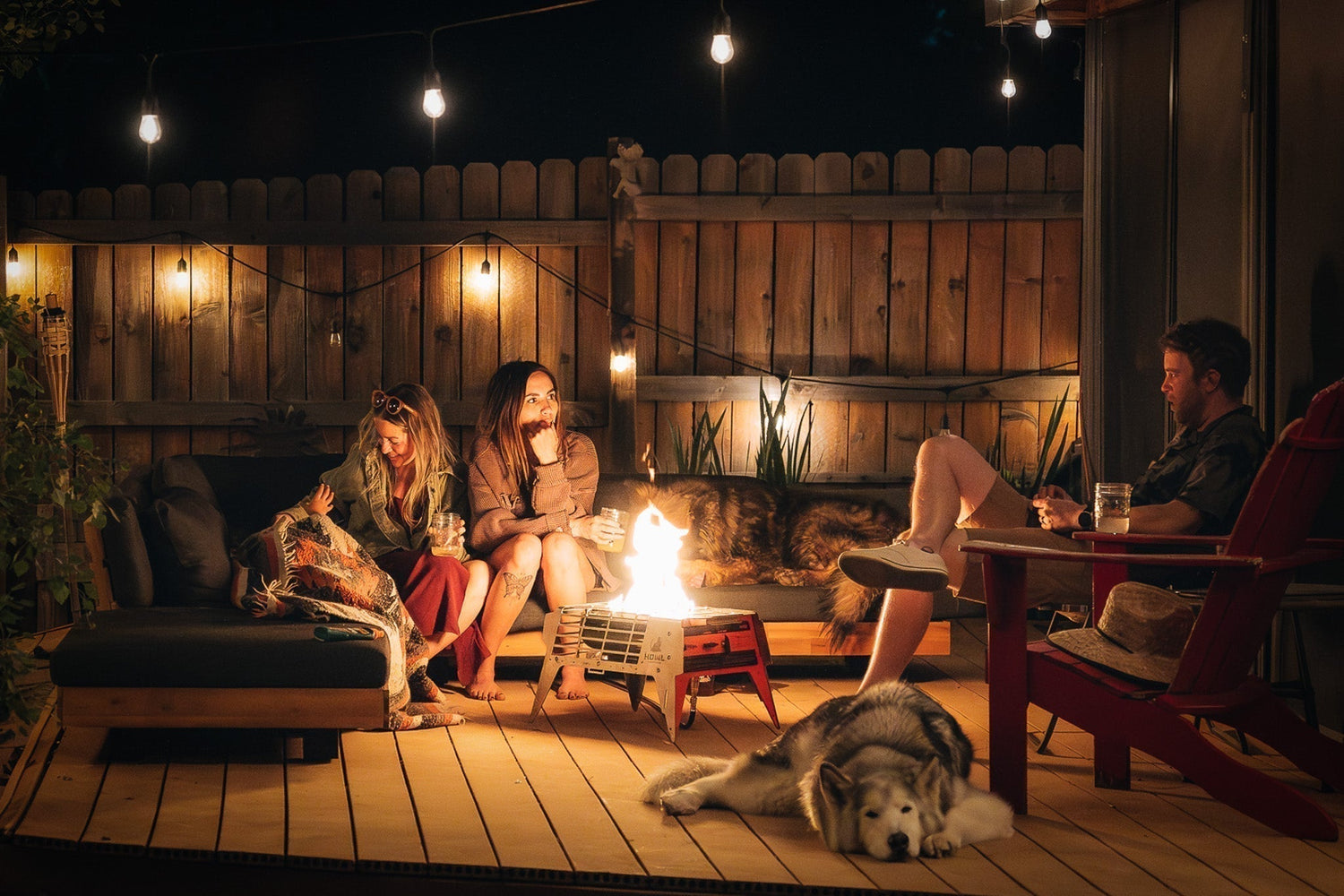
A campfire does not require a campsite. Put the HOWL in the backyard, on the patio, or anywhere else local regulations allow.
Your backyard may have fewer stars than the mountains, but it has a much better bathroom. Nobody needs to pack the truck, reserve a site, or sleep on the ground. The house can remain close enough to retrieve a forgotten sweatshirt without organizing a search party.
You still get the part that makes a campfire worth having: everyone stops moving, watches the same fire, and hangs out for a while. The fire does not care that you didn’t drive 200 miles to reach it.
Of course, the location was never the biggest obstacle to a school-night campfire. The real problem is everything a wood fire asks you to do.
WOOD FIRES HAVE NO RESPECT FOR BEDTIME

A wood fire starts with a trip for firewood and ends with you poking wet ashes at 10:30 because one coal still looks ambitious. Between those events, you need kindling, patience, and a willingness to smell like smoke in the morning.
That can be part of the fun on Saturday. On Tuesday, it means the fire probably never happens.
A HOWL removes the production. Unfold the legs, connect the propane, and light it. When bedtime wins, turn off the fuel and let the campfire cool. There is no ash to shovel, no embers to drown, and no tiny orange bastard trying to put you on the local news.
That changes a campfire from an event you need to plan into something you can decide to do after dinner.
KEEP THE PLAN STUPIDLY SIMPLE
A HOWL fire is easy, so resist the urge to complicate everything around it. Eat dinner inside, drag out a few chairs, and bring ice cream sandwiches.
If the plan requires a group text, you have already overdone it.
Because nobody has to manage a woodpile or nurse a struggling flame, you can spend the time sitting down. Tell one dumb story. Throw the ball for the dog. Have one drink. Someone may say something interesting, and a teenager may even look up from a phone.
Do not announce that everyone is making a memory. That is the fastest way to make children hate an otherwise pleasant experience. Just light the fire and see what happens. Sometimes you have a meaningful conversation. Sometimes you discuss why nobody can find one shoe. Both count.
FORTY-FIVE MINUTES IS PLENTY
The other mistake is assuming a real campfire needs to last all night. It does not become more legitimate when the clock passes two hours.
Light it for half an hour. Stay out for 45 minutes. Give it an hour if nobody is melting down. That is enough time to interrupt the nightly march from dinner to dishes to screens to bed without wrecking tomorrow morning.
Then turn off the fire, send everyone inside, and congratulate yourself on briefly making Tuesday suck less.
THE FIRE DOESN’T HAVE TO END WITH SUMMER

L to R: The R3, R4 Mkii, and the R1
Right now, the R1 is made for this job. Its A-Flame produces tall firelight and real warmth for late-summer evenings, while the entire campfire folds down to about the size of a shoebox.
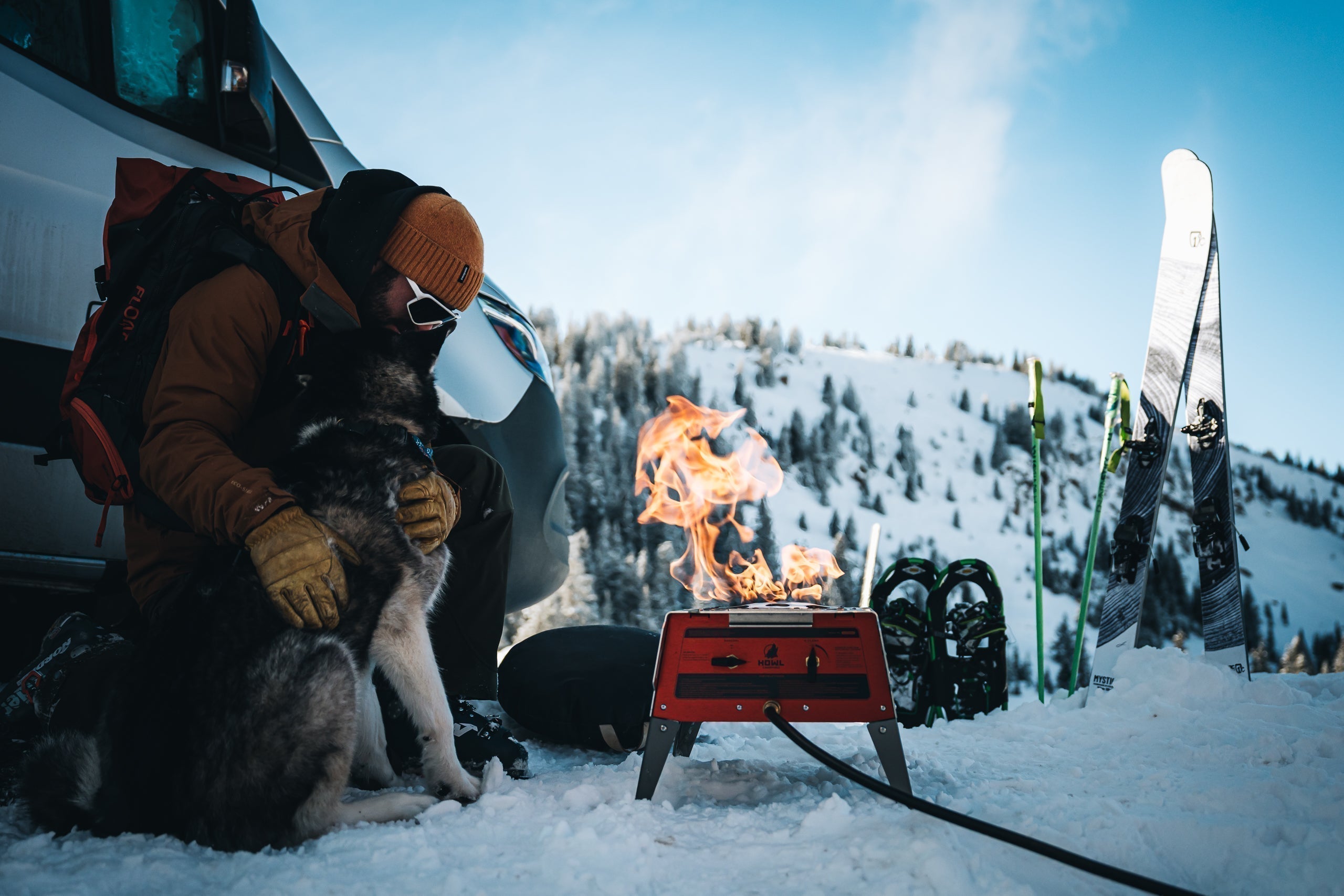
When the nights start getting colder, the R3 and R4 add BarCoal radiant heat. That means the same school-night ritual can keep going through fall and winter without everyone huddling around a decorative blue flame and pretending they are warm.
School can have the alarms, lunches, homework, and practices.
It doesn’t get every evening, too.